
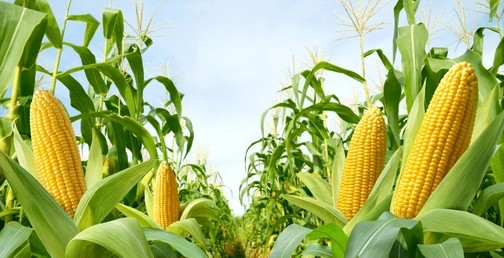
South Africa’s diverse climate, ranging from arid to subtropical, creates both opportunities and challenges for the agricultural sector. Among the most pressing of these challenges are mycotoxins in feedstuffs and livestock feed. Mycotosins such as aflatoxins, fumonisins, zearalenone and trichothecenes (DON) can contaminate a wide variety of feedstuffs. If not effectively managed, these toxins can led to significant health issues in livestock, reduced productivity and economic losses for farmers.
What are Mycotoxins?
Mycotoxins are naturally occurring toxic metabolites produced by certain fungi that grow on crops such as maize, wheat, groundnuts and silage. These toxins are invisible to the naked eye, resistant to heat and often survive feed processing. It is therefore hard to detect these toxins and even harder to eliminate. More than 400 mycotoxins have been identified globally and the most prevalent affecting South African feedstuffs and livestock include:
- Aflatoxins
- Fumonisins
- Zearalenone (ZEA)
- Deoxynivalenol (DON or vomotoxin)
- T-2 toxin and HT-2
- Ochratoxin A (OTA)
Some of these fungal species produce more than one toxin and therefore multi-mycotoxin contamination of grain crops tends to be the norm rather than the exception.
Why South African livestock are at risk:
South Africa’s climate plays a key role in creating the ideal environment for fungal growth and mycotoxin production.
- Hot and humid contidions, particularly in provinces such as KwaZulu-Natal and the Eastern Cape create a perfect environment for fungal contamination, especially during harvest.
- Erratic rainfall patterns stress crops and promote mycotoxin production. The risk is amplified during wet seasons or delayed harvests such as we have seen in early 2025.
- Storage issues such as high humidity or poor aeration, increase post-harvest fungal growth.
According to SAGL, over 60% of maize samples tested annually, show contamination with fumonisins, DON and zearalenone.
The impact of mycotoxins on livestock health and productivity
Exposure to mycotoxins can have acute and chronic effects on livestock, depending on the type and concentration of the toxin, exposure duration and species sensitivity.
Common symptoms can include:
| Species | Toxin sensitivity | Common clinical effects |
| Cattle | Aflatoxin, DON, ZEA | ↓ milk yield, immune suppression, fertility issues |
| Pigs | DON, ZEA | Feed refusal, vomiting, abortions, poor growth |
| Poultry | Aflatoxins, OTA | ↓ egg production, liver damage, suppressed immunity |
| Horses | Fumonisins (even at 5ppm) | Fatal leukoencaphalomalacia (brain degeneration) |
DON at just 5ppm in diary cow diets can reduce both milk yield and dry matter intake. For pigs, reproductive failure can occur at even lower levels of ZEA contamination.
The hidden costs producers cannot afford to ignore
Even when symptoms are not obvious, subclinical mycotoxin exposure can quietly erode productivity. Here are just a few examples:
- 5 – 10% reduction in feed efficiency
- Delayed weight gain in weaners
- Poor rumen function and fertility
- Higher susceptibility to diseases which leads to increased veterinary costs
The FAO reporst that 25% of global crop production is lost annually due to mycotoxin contamination. Therefore, it is not just a crop loss. It is a profit lead, a biosecurity risk and a well-being issue for both animals and farmers.
Practical mycotoxin mitigation in South African Systems
Here is what proactive producers and nutritionists can do for effective risk management:
- Test feed ingredients routinely
- Use reliable mycotoxin binders
- Improve feed storage conditions: control humidity, protect against leaks and regularly monitor for fungal growth
A Final Thought
South African livestock producers are resilient and innovative. Tackling mycotoxins is not just about science, it is about safeguarding animal health, food safety and economic stability. With informed decision-making and consistent monitoring the invisible threat of mycotoxin contamination will not remain invisible for long.
Partner with Esceezet for expert solutions that make a visible impact. Reach out today and take the next step in protecting your herd, your profits, and your peace of mind.