
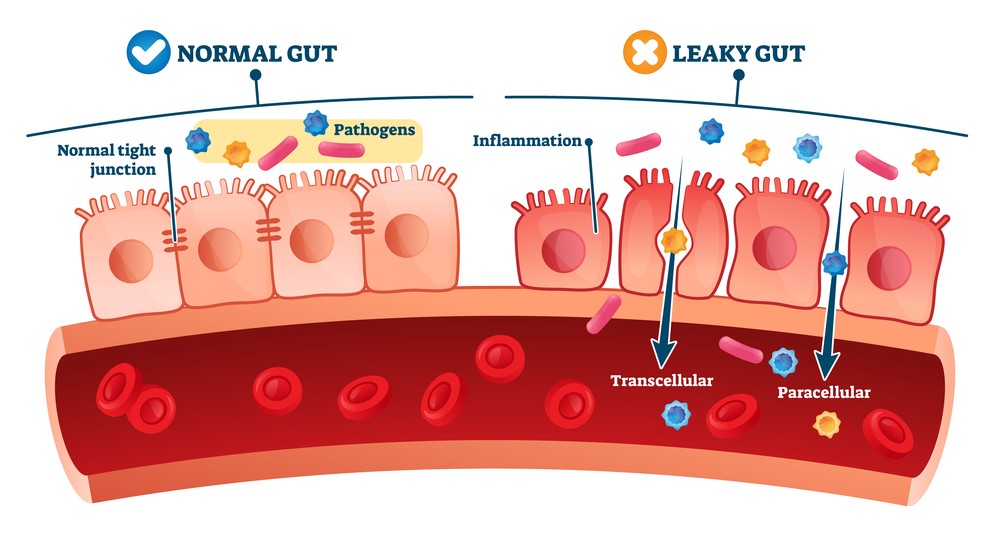
The gut is more than a digestive tube — it is a highly selective barrier that determines what gets absorbed and what stays out. Composed of a single layer of epithelial cells sealed by tight junctions, this barrier permits the passage of nutrients while blocking harmful microbes, toxins, and inflammatory triggers. Alongside the mucosal layer, these structures form the first line of defence, enabling immune signalling and protecting the host from systemic stress.
In both monogastric and ruminant animals, the integrity of this barrier is critical for overall health. However, the vastly different digestive anatomies and microbial ecosystems in each species present unique challenges.
Monogastrics rely on hindgut fermentation and enzymatic digestion, requiring careful management of fibre type, protein levels, and additives to support barrier function.
Ruminants depend on rumen stability and forage-rich diets to maintain microbial harmony and epithelial resilience.
When this barrier is compromised — whether by stress, mycotoxins, poor diet, or infection — animals face increased disease risk, reduced feed efficiency, and systemic inflammation. Protecting the gut barrier means protecting performance.
The Gut Barrier: A Dual Defence System
The gastrointestinal tract (GIT) of both monogastric animals (e.g., pigs, chickens) and ruminants (e.g., cattle, sheep) relies on a coordinated defence system comprising:
- Tight junctions;
- Mucosal integrity;
- Microbial interactions.
In monogastrics, digestion is primarily enzymatic, with microbial fermentation occurring mainly in the large intestine. Microbes in the stomach and small intestine also contribute to gut health, fermenting dietary fibre into short-chain fatty acids (SCFAs) like butyrate, which enhance epithelial barrier function and stimulate mucus production.
Ruminants possess a multi-compartmented stomach where the rumen facilitates extensive microbial fermentation of fibrous feedstuffs before enzymatic digestion begins. The rumen epithelium, keratinized for added protection, absorbs short-chain fatty acids and serves as a key interface for host-microbe interaction.
Tight junctions are protein complexes that seal the spaces between adjacent epithelial cells, regulating paracellular permeability, maintaining tissue structure, and preventing the translocation of antigens, bacteria, and toxins into the bloodstream.
Key tight junction proteins include:
- Claudins (ion selectivity);
- Occludin (junctional stability);
- Zonula occludens (ZO-1, ZO-2), which anchor transmembrane proteins to the cytoskeleton.
Stressors such as weaning, poor diet, or high-concentrate feeding can disrupt tight junction integrity, leading to “leaky gut,” systemic inflammation, and reduced performance. In ruminants, such disruptions may result in subacute ruminal acidosis (SARA), where lowered ruminal pH compromises the epithelial barrier and allows microbial toxins like lipopolysaccharides to enter circulation.
Complementing the cellular barrier, the mucosal layer provides a gel-like shield composed of:
- Mucins (e.g., MUC2);
- Antimicrobial peptides;
- Secretory IgA;
- Immune cells
This layer traps pathogens, buffers the epithelium from mechanical and chemical damage, and supports beneficial microbes. While the rumen epithelium offers structural resilience, the small intestine of monogastrics depends on rapid epithelial turnover and mucosal integrity to maintain its defence. Together, tight junctions and the mucosal layer form a dynamic, adaptive system essential for gut health and overall performance in both animal groups.
Monogastrics vs. Ruminants: Barrier Differences
| Feature | Monogastrics | Ruminants |
| Primary Digestion | Enzymatic digestion in a single stomach | Microbial fermentation in a multi-compartment stomach, followed by enzymatic digestion |
| Location of Key Microbial Action | Mainly in the distal small intestine and large intestine | Primarily in the rumen (foregut), with additional fermentation in the hindgut |
| Epithelial Barrier | A single layer of columnar epithelial cells | In the rumen, a stratified squamous epithelium; a columnar epithelium in the lower gut |
| Main Luminal Challenge | Stress (e.g., weaning), dietary changes, and pathogenic microbes | Low ruminal pH (acidosis) and high levels of lipopolysaccharides and other microbial products, especially with high-grain diets |
| Key Metabolite for Integrity | Butyrate supports the gut barrier and serves as an energy source for epithelial cells | Butyrate supports the gut barrier and serves as an energy source for epithelial cells |
| Systemic Impact | Breach of the barrier can cause systemic inflammation and impact extra-intestinal organs | A compromised ruminal barrier can lead to systemic inflammation, affecting the liver and other organs |
What Disrupts Gut Barrier Function?
Gut barrier dysfunction, often referred to as “leaky gut” or increased intestinal permeability, can result from a wide range of stressors, including dietary imbalances, microbial disturbances, medications, infections, and environmental challenges. These disruptions affect tight junction proteins, the mucus layer, and the gut microbiota, leading to inflammation, immune activation, and compromised health in both monogastrics and ruminants.
A. Microbiota and Metabolites
The resident gut microbiota and its fermentation products, especially short-chain fatty acids like butyrate, are essential for maintaining barrier integrity. Butyrate fuels colonocytes, promotes mucus production, and strengthens tight junction protein expression. Diets low in fibre and high in refined carbohydrates, sugar, or fat starve beneficial microbes, reducing short-chain fatty acid output and weakening the barrier.
B. Dietary Shifts and Imbalances
Sudden dietary changes, such as weaning in piglets and chicks or transitioning to high-concentrate diets in cattle, can shock the gut ecosystem, disrupt microbial balance, and impair epithelial integrity. Food additives like emulsifiers and preservatives may erode the mucus layer, while contaminants such as mycotoxins (e.g., aflatoxins) can directly damage tight junction proteins and epithelial cells.
C. Stress and Inflammation
Environmental and physiological stressors — including heat, transport, social disruption, and low feed intake — can alter gut morphology (e.g., reduced villus height and width), increase permeability, and trigger inflammation. Once the barrier is compromised, microbial toxins like lipopolysaccharides can enter the bloodstream, creating a vicious cycle of systemic inflammation that further damages the gut lining.
D. Medications
Overuse of antibiotics disrupts microbial balance (dysbiosis), while long-term use of nonsteroidal anti-inflammatory drugs (NSAIDs) can increase gastric acid secretion and reduce mucus production, weakening the gut’s protective layers.
E. Infections and Parasites
Pathogens such as Salmonella, Clostridium perfringens, and intestinal parasites like Eimeria (coccidiosis) can directly damage epithelial cells and tight junctions, triggering inflammation and barrier dysfunction.
Monogastric-Specific Disruptors
In monogastrics, weaning stress, marked by maternal separation and abrupt diet changes, can lead to diarrhoea, inflammation, and overgrowth of pathogenic bacteria like E. coli. Young chicks are especially vulnerable due to immune immaturity. Diets high in non-starch polysaccharides (NSPs), particularly from rye, increase digesta viscosity and promote gut permeability.
Ruminant-Specific Disruptors
In ruminants, high-grain diets can cause subacute ruminal acidosis (SARA), lowering ruminal pH and damaging the epithelial barrier. This allows lipopolysaccharides and other toxins to translocate into circulation. Dietary transitions in high-producing dairy cows and stress-induced reductions in feed intake further compromise gut integrity by altering epithelial morphology and microbial stability.
Supporting Gut Barrier Health
Maintaining gut barrier health is essential for overall animal well-being and productivity. Multiple strategies involving nutrition, supplementation, and management practices can be used to support the integrity of the gut barrier.
A. Nutritional Strategies
A balanced diet that promotes a healthy gut microbiome is crucial for both monogastric and ruminant animals.
Dietary Fiber
- Fermentable dietary fibre from whole grains, vegetables, and legumes serves as a substrate for beneficial gut bacteria.
- The fermentation process produces short-chain fatty acids like butyrate, which promote cell proliferation, strengthen tight junctions, and enhance mucus production.
Specialized Feed Additives
- Butyrate supplements, often encapsulated, support gut development, reduce inflammation, and improve performance.
- Organic acids added to feed or water help lower stomach pH, support digestion, limit pathogenic bacteria, and promote a balanced microbiome.
B. Functional Feed Ingredients
Probiotics
- Live microorganisms that promote microbial balance and outcompete pathogens.
- Enhance immune response and stimulate mucin production. Live yeast stabilizes the rumen environment.
Prebiotics
- Non-digestible carbohydrates that feed beneficial bacteria.
- Increase short-chain fatty acid production, regulate immunity, and inhibit pathogens. Examples: FOS and MOS.
Phytogenics (Plant Extracts)
- Antimicrobial, anti-inflammatory, and antioxidant properties.
- Stimulate digestion, improve nutrient absorption, and modulate microbiota.
C. Management and Environmental Factors
Stress Reduction
Calm handling and stable environments reduce cortisol levels and protect the gut barrier.
Water and Feed Management
- Clean, high-quality feed and water prevent pathogen and toxin introduction.
- Gradual dietary transitions help microbiota adapt and prevent ruminal acidosis.
Hygiene and Biosecurity
Clean housing and strict biosecurity reduce pathogen load and infection pressure.
Why It Matters
A strong gut barrier:
- Reduces disease risk,
- Enhances nutrient absorption,
- Improves growth and feed conversion,
- Supports vaccine response and overall resilience.
In modern livestock systems, gut barrier health is a strategic priority—especially under pressure to reduce antimicrobials and improve welfare.