
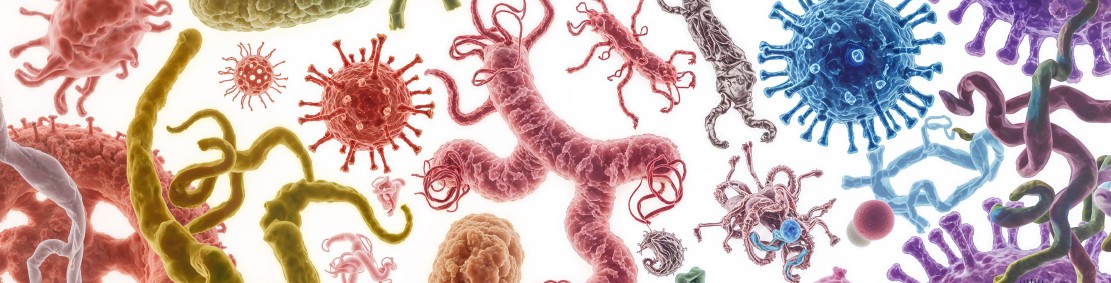
The gut microbiome is a bustling metropolis of microbes — bacteria, fungi, protozoa, archaea, and viruses — that shape digestion, immunity, and overall health. But not all microbiomes are created equal. Understanding how microbial communities differ between species is key to designing effective nutritional and health strategies.
The microbiome is now recognized as a “hidden organ” due to its profound influence on host physiology, metabolism, and disease resistance.
What Is the Microbiome?
The microbiome refers to the entire community of microorganisms living in the gastrointestinal tract. These microbes:
- Break down complex nutrients (e.g. fibre, starch, protein),
- Produce essential compounds (e.g. B vitamins, volatile fatty acids, antimicrobial peptides),
- Compete with pathogens (competitive exclusion),
- Communicate with the host’s immune system via cytokines and metabolites.
Microbiome composition is shaped by species, age, diet, environment, genetics, and stress. In livestock, early-life colonization and microbial succession are critical for long-term health and productivity.
Monogastrics vs. Ruminants: Microbial Contrasts
| Feature | Monogastrics (e.g. pigs, poultry) | Ruminants (e.g. cattle, sheep) |
| Primary fermentation site | Hindgut (cecum, colon) | Foregut (rumen) |
| Dominant microbes | Lactobacillus, Bifidobacterium | Fibrobacter, Ruminococcus, methanogens |
| Fiber digestion | Limited | Extensive via microbial fermentation |
| VFA production | Butyrate, acetate (hindgut) | Acetate, propionate, butyrate (rumen) |
| Methane production | Minimal | Significant (linked to archaea) |
| Antibiotic sensitivity | High (especially in piglets, chicks) | Moderate, but rumen microbes are delicate |
Ruminants rely on microbial fermentation for up to 70% of their energy needs, while monogastrics depend more on enzymatic digestion.
Microbiome Development/Change Over Time
- Neonates: Born sterile; colonization begins via maternal contact, environment, and colostrum.
- Weaning: Major microbial shift; vulnerable to dysbiosis and inflammation.
- Maturity: Stable, diverse microbiome supports digestion, immunity, and metabolic efficiency.
- Stress or illness: Can disrupt balance, reduce diversity, and allow pathogen overgrowth.
Early-life microbial programming influences lifetime productivity and disease resistance.
Microbiome Functions by Species
Pigs and Poultry
- Hindgut fermentation produces short-chain fatty acids (SCFAs e.g, butyrate, acetate).
- Microbes aid in protein metabolism and immune signalling.
- Dysbiosis linked to diarrhoea, poor growth, and inflammation.
Cattle and Sheep
- Rumen microbes ferment fibre into VFAs (main energy source).
- Protozoa and fungi assist in breaking down plant cell walls.
- Methanogens produce methane — a sustainability challenge.
Horses
- Hindgut fermenters like pigs, but overly sensitive to microbial shifts.
- Colic and laminitis often linked to dysbiosis and acidosis.
Horses have a unique microbiome profile that makes them particularly vulnerable to sudden dietary changes.
Factors That Shape Microbiome Dynamics
- Diet: Fibre, starch, and protein levels affect microbial populations and fermentation profiles.
- Feed additives: Prebiotics (e.g. FOS), probiotics (e.g. Lactobacillus, Bacillus), and postbiotics (e.g. butyrate) modulate composition.
- Environment: Hygiene, housing, and stress impact colonization and microbial resilience.
- Antibiotics: Can wipe out beneficial microbes and promote resistance.
- Genetics: Host species, breed, and even individual genotype influence microbial compatibility.
Integrated multi-omics approaches now allow researchers to track microbial shifts alongside host metabolism and immune responses.
Practical Implications
Understanding microbiome dynamics helps:
- Design species-specific feed formulations
- Choose targeted probiotics and prebiotics
- Reduce reliance on antibiotics
- Improve growth, immunity, and feed conversion
- Address sustainability (e.g. methane mitigation in ruminants)
In precision livestock farming, microbiome management is emerging as a key strategy for improving performance and welfare while reducing environmental impact.